Happier Marriage
Categories
All Categories
Active Listening
Acts Of Kindness
Acts Of Love
Balanced Life In Marriage
Boundaries
Compromise
Conflict
Contempt
Control
Criticism
Defensiveness
Disconnected
Effective Communication
Emotional Intelligence
Emotional Intellingence
Emotions
Empathic Communication
Empathy
Feeling Heard
Feelings
Forgiveness
Fulfilling Marriage
Happier Marriage
Happy Marriage
Healthy Marriage
Intimacy
Marriage Revival
Marriage Rules
Men Have Feelings Too
Micro-Management
Mindfulness
Mixed Couple
Narcissism
Narcissist
Narcissistic Marriage
Peace In Marriage
Personality Differences
Physcal Affection
Qualtiy Time
Resentment
Self-Awareness
Self-Care
Stonewalling
Strong Marriage
Struggling Marriage
Types Of Self-Care
Follow Us


Ep 185 Leaving Didn’t End the Pain It Just Changed Its Shape (Melinda Gates Story)
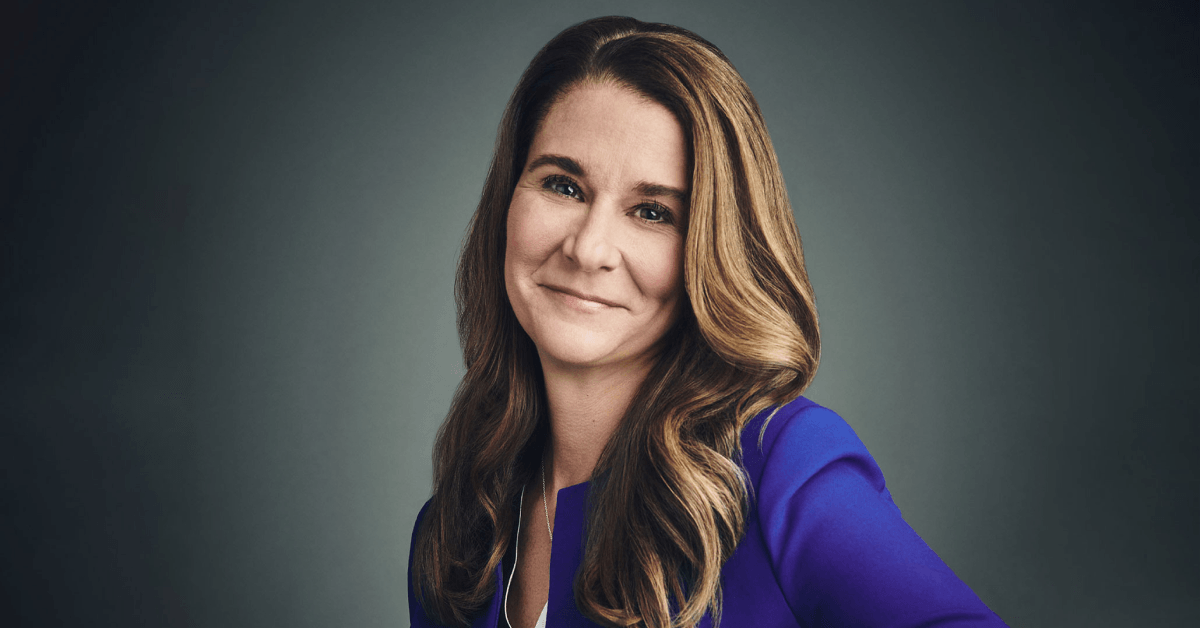
Leaving a marriage doesn’t always bring the relief people expect. Sometimes the anger fades, the chaos quiets, and life looks more stable on the outside, but inside the sadness remains. Many wives find themselves surprised by this tension—feeling a sense of peace in their decision, yet still carrying grief they didn’t expect. This becomes even more confusing when the decision to leave was thoughtful, necessary, and grounded in truth, yet still deeply painful.
Even public separations, like Melinda Gates leaving Bill Gates, remind us that leaving a long-term relationship can carry layers of emotion that the public never sees. This conversation is not about blame or about encouraging divorce, but about naming grief without shame and understanding why pain can linger even after the “right” decision has been made.
Many women quietly ask themselves why it still hurts even after they’ve left, or whether their lingering sadness means they made the wrong decision. Others wonder why the pain hasn’t disappeared the way people said it would. The truth is that emotional healing does not follow the same timeline as a legal or practical separation. You can make a wise and necessary choice and still grieve deeply. You can leave something unhealthy and still mourn what you hoped it would become. Relief and grief can exist at the same time, and that does not mean you are confused—it means you are human.
Part of what makes this experience so complex is learning the difference between regret and mourning. Regret says, “I shouldn’t have left,” while mourning says, “This mattered to me, and I am sad it didn’t work.” You can mourn something without questioning your decision. You can feel sorrow without it meaning failure. Sadness is not proof that you made the wrong choice; it is often just the heart’s way of processing loss. Even when a marriage ends for valid and necessary reasons, the emotional bonds do not disappear instantly, and healing takes time.
It is also important to understand that boundaries and grief can coexist. Setting boundaries may bring safety, clarity, and peace, while grief acknowledges the cost of what was lost. You can feel both at the same time without contradiction. Scripture reflects this complexity as well. Matthew 19:9 acknowledges that marriage can be broken in painful circumstances, while 1 Corinthians 7:15 points to God’s desire for peace rather than bondage. The Bible does not celebrate divorce, but it also does not trap people in ongoing devastation. There is room for truth, room for grief, and room for release.
Healing is rarely linear. Some days may feel lighter, while others feel unexpectedly heavy again. This does not mean you are going backward; it means you are processing something significant. If you are a wife who has left a marriage but still feels emotional pain, or if you are tired of being told you should already be over it, you are not alone. Still feeling does not mean you failed—it means you are human, and your heart is still healing from something that mattered deeply.
Free Resource Mentioned
7 Simple Conversations to Rebuild Closeness
Practical, faith-anchored language that helps you speak in ways he can actually receive.
📍 Link: www.buildyourhappiermarriage.com/closeness
THE HAPPIER MARRIAGE ASSESSMENT QUIZ
The Happier Marriage Assessment helps couples improve their relationship by identifying areas for growth and providing personalized recommendations. You will get your score and the associated meaning, immediately. But that's not all. You will then get a downloadable PDF that explains it all and a "your next step" guide.
[NOTE: this should take you less than 90 seconds]
Build Your Happier Marriage